Best Night Tours in Monteverde: Reserves, Reviews, and Comparisons
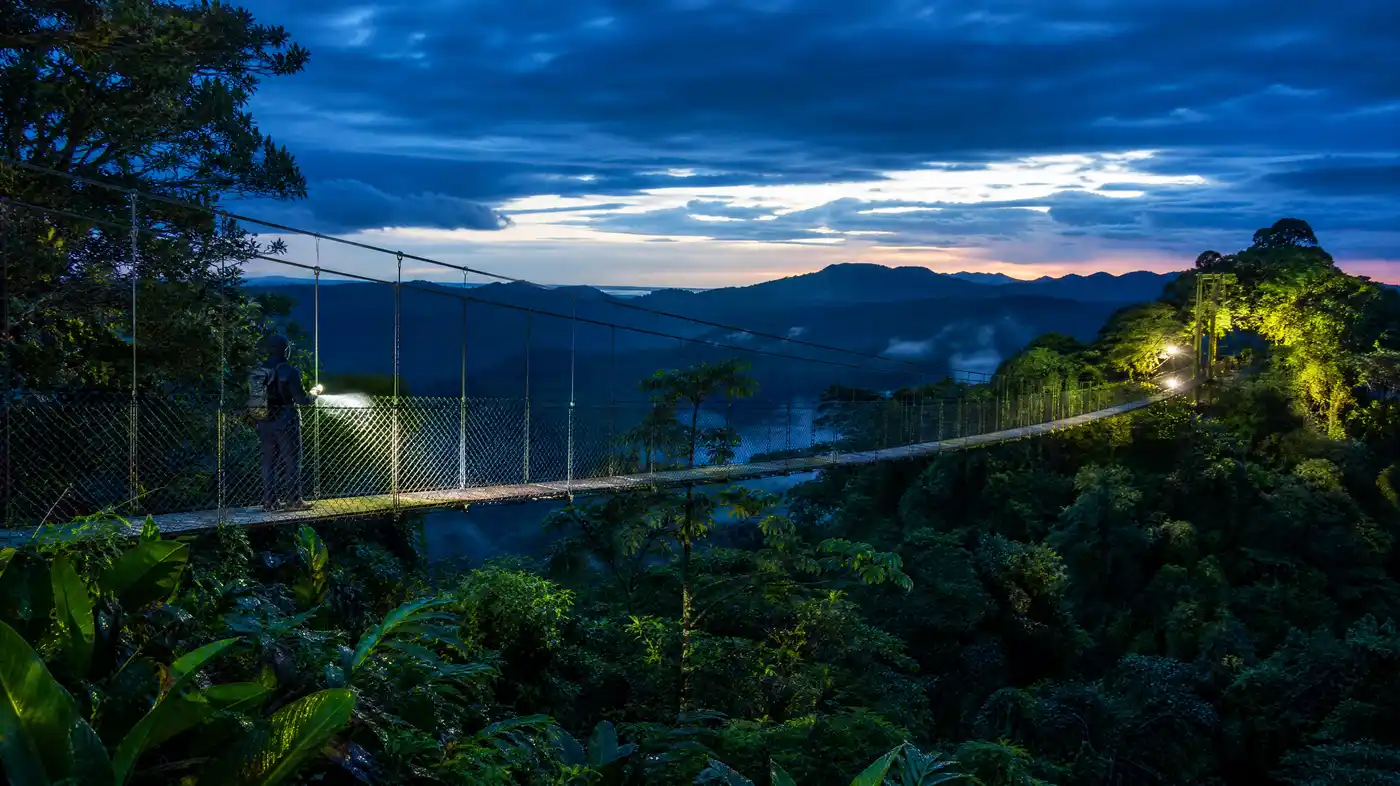
The cloud forest changes completely around 5:30 in the evening. As the sun dips behind the Gulf of Nicoya, the mist thickens, daylight birds tuck into mossy branches, and an odd chorus of clicks, chirps, and rustling begins along the forest floor. Finding the best night tour monteverde offers depends largely on whether you want a quiet, slow-paced biology walk or an energetic hunt for sleeping toucans and neon-green vipers.
Every patch of secondary forest around Santa Elena seems to have its own guided trail system now. With over a dozen competing reserves, sorting through local brochures gets confusing fast. Some spots run 40 people through the woods at once on paved sidewalks, while others send you down muddy singletrack trails in groups of six. I spent weeks walking these paths, speaking with local naturalists, and sorting through countless monteverde night tour reviews to see which reserves actually justify the price tag.
Book your monteverde night tour experience:
The Heavy Hitters: Curi-Cancha, Kinkajou, and Valle Escondido
Most visitors end up choosing between three or four well-established reserves near town. Curi-Cancha is often considered the gold standard for birders during the day, but the Curi Cancha night walk Monteverde experience is quite distinct. The trails here are wide, well-graded, and weave through a mix of open clearing and dense secondary growth. Because the canopy is patchy in spots, spotting sleeping motmots, resting hummingbirds, and two-toed sloths in high branches is surprisingly easy. You will not feel wild and isolated here, yet the sheer diversity of roosting species keeps it at the top of most naturalist lists.
Then you have the dedicated nocturnal reserves. The Kinkajou night walk takes place on a rugged private property about 15 minutes south of Santa Elena. It carries a heavy reputation for finding arboreal mammals. Kinkajous, olingos, and gray foxes show up here regularly, drawn by fruiting trees along the forest perimeter. It gets busy, though. During high season in January and February, you will see flashlights bobbing ahead of you on parallel trails, which spoils the illusion of being deep in untamed jungle.
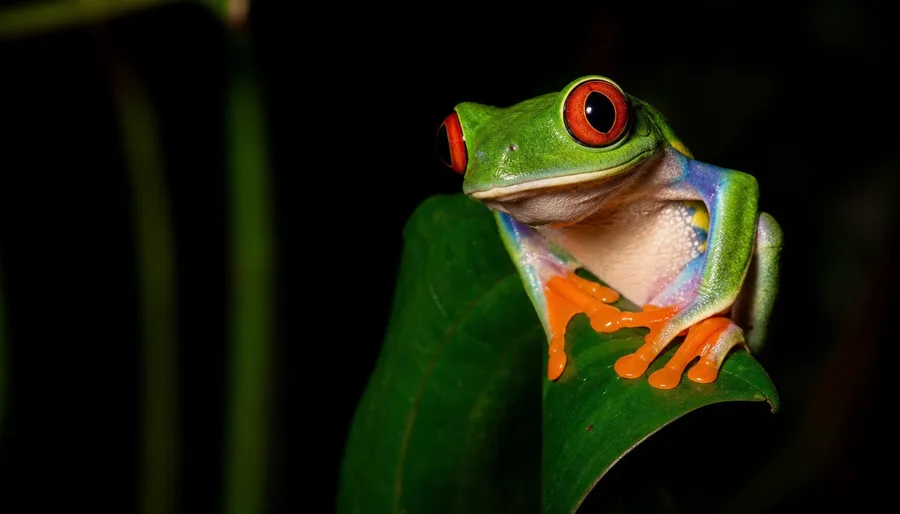
Valle Escondido - sometimes booked as the Hidden Valley night tour Monteverde Costa Rica - offers a noticeably calmer atmosphere. Located behind a quiet eco-lodge down a steep hillside, the Valle Escondido Monteverde night tour takes you along trails that drop down toward a rushing stream. Moving water means amphibians. If your main goal is seeing glass frogs, red-eyed tree frogs, and side-striped pit vipers coiled on broad leaves, this hidden valley night walk monteverde route delivers consistent sightings without the busloads of day-trippers.
Pro tip: Book a start time around 5:30 PM rather than 7:00 PM if given the choice. Sunset twilight gives you a brief 20-minute window where diurnal wildlife goes to bed and nocturnal animals first emerge, doubling your chances of catching active movement.
If you prefer dedicated conservation grounds with zero hotel foot traffic, the El Refugio Monteverde tour remains a stalwart option. The property is strictly managed for wildlife recovery. The guides here communicate via low-frequency radio clicks rather than shouting across ravines, keeping human noise to an absolute minimum.
Hidden Trails and Independent Reserves
A few lesser-known properties offer genuinely tranquil alternatives if you want to avoid commercial crowds entirely.
The Ficus Trails night tour Monteverde has gained traction among travelers who care more about dense foliage than manicured gardens. This reserve sits along a rugged corridor where strangler figs dominate the canopy. Taking the Ficus night tour Monteverde path feels slightly more adventurous, with exposed roots and damp clay underfoot. The ficus trails monteverde night walk is known among guides as one of the most reliable locations for finding tarantulas inside their silk-lined tree burrows, alongside orange-kneed spiders and roosting emerald toucanets.
Further up toward the continental divide, you will find the Santa Maria night walk Monteverde (frequently written as the Santamarias night walk Monteverde or simply Santamaria Monteverde night tour). Because it sits at a slightly cooler elevation, the insect activity behaves differently. The trails cut through primary cloud forest pockets. You might see fewer big mammals here on average, but the mossy dwarf forest atmosphere makes it deeply atmospheric on misty evenings.
Aguti night tour Monteverde operates directly on the edge of Santa Elena village. Despite its proximity to paved roads, this private reserve features high-canopy hanging bridges and rugged topography. The steep terrain forces you to walk slowly, which is actually an asset at night. It gives the guide time to spot cryptic stick insects, sleeping quetzals, and walking palm root systems teeming with micro-fauna.
Other tucked-away options include:
- Monteverde Inn night tour: operated deep inside the Valle Escondido valley, featuring private trails that connect directly into primary forest with almost zero outside foot traffic.
- El Bosque night tour Monteverde: a calm, pocket-sized patch of woodland nestled behind local bakeries where sloths regularly sleep in guarumo trees.
- Monteverde night walk Finca Lantana: a family-run farm reserve combining regenerating pasture with old-growth forest, ideal for travelers wanting an authentic Costa Rican host.
- Oktari Monteverde Park & night tour: a modern conservation project with wide trails, excellent frog habitats, and wheelchair-accessible lower loops.
- El Establo Monteverde night walk: convenient if you are staying at the resort, though the El Establo Monteverde night tour sticks largely to hotel-adjacent grounds rather than wild deep-forest reserves.
Reserve Comparison and Guide Outfitters
Picking where to go is only half the puzzle; who guides you matters just as much. A brilliant guide with an eye for quarter-inch leaf-mimic katydids can turn an average secondary forest into an extraordinary safari. Independent outfits like Johnny-Loves-Nature eco tour operator Monteverde rain forest night walk have built devoted followings because Johnny treats every beetle like a masterpiece. You get unhurried explanations and quirky natural history facts instead of a rushed two-hour march.
If you want a multi-layered experience, Nasua Tours Monteverde runs a popular Nasua Tours Monteverde coffee'n jungle night tour that pairs an afternoon plantation tasting with an evening trail walk. Smaller boutique operators like Jean Carlo Monteverde nights tours offer private guiding where you set the pace. For regional tour aggregators, companies such as Desafio night tour Monteverde and Rio Celeste Experts Monteverde night tour organize reliable transport and ticketing, though they usually place guests into established partner reserves like Kinkajou or Curi-Cancha.
Note: Flash photography is strictly forbidden in almost every reputable reserve in Monteverde. Turn off your camera flash before stepping onto the trail to avoid blinding nocturnal mammals and disorienting roosting birds.
To help you decide which reserve matches your travel style, here is how the top nocturnal reserves compare across price, trail style, and animal encounters:
| Reserve | Approx Price | Trail Condition | Group Size Limit | Common Sightings |
|---|---|---|---|---|
| Curi-Cancha | $25 - $30 | Wide, gravel, gently sloped | 8 people | Sleeping birds, armadillos, sloths |
| Kinkajou Reserve | $23 - $28 | Narrow dirt, uneven roots | 9 people | Kinkajous, opossums, tarantulas |
| Valle Escondido | $27 - $32 | Steep terrain, stone steps | 8 people | Tree frogs, vipers, sleeping toucans |
| Ficus Trails | $22 - $26 | Forest soil, moderate mud | 8 people | Stick insects, trapdoor spiders, owls |
| Aguti Reserve | $28 - $35 | Hilly dirt, suspension bridges | 6 people | Coatis, sleeping quetzals, porcupines |
Book your monteverde night tour experience:
Night Tour in Monteverde or La Fortuna?
A question travelers constantly ask in forums: should I do a night tour in Monteverde or La Fortuna? If your itinerary includes both stops, spending $30 per person twice feels redundant.
The short answer comes down to target species. La Fortuna is warm, humid, and low in elevation. A night walk around Arenal is dominated by amphibians. You will see red-eyed tree frogs, poison dart frogs, bullfrogs, basilisks, and caimans around warm ponds. It feels tropical and wet.
Monteverde sits between 1,200 and 1,600 meters above sea level. It is windy, misty, and chilly once darkness sets in. Frogs are present - especially glass frogs and endemic tree frogs near sheltered creeks - but Monteverde is far better for sleeping tropical birds, arboreal mammals, and unusual high-elevation invertebrates. Finding a sleeping emerald toucanet wrapped like a feather ball or spotting an active two-toed sloth clinging to an oak branch happens far more regularly in Monteverde than in the La Fortuna flatlands. Honestly, if you only have the budget for one nocturnal outing in Costa Rica, the cloud forest ecosystem provides a far stranger atmosphere.
So, is a night tour worth it Monteverde wide? Absolutely. Nearly 80 percent of Costa Rica's cloud forest species are active primarily after sundown. Walking into these woods during the daytime reveals spectacular plants, but walking in with a focused beam of light reveals the real animal density.
How to Prepare for a Cloud Forest Night Walk
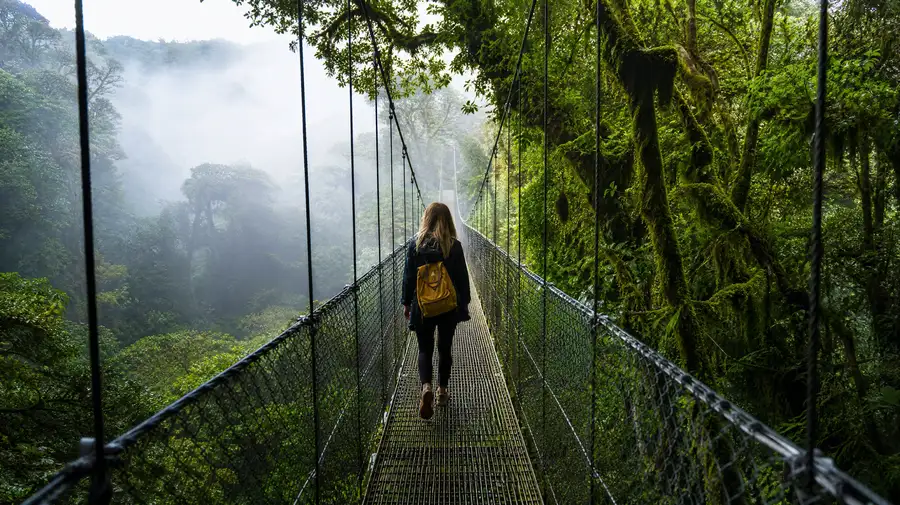
Being comfortable on a night walk in the cloud forest comes down to clothing choices and trail etiquette. A brilliant guide cannot salvage an evening where you are shivering through soaked denim.
Here are basic ground rules to keep in mind before you head out:
- Footwear requirements: wear sturdy, closed-toe hiking shoes with deep tread; wet clay on slopes like Valle Escondido becomes slick after afternoon rain showers.
- Warm outer layers: pack a windbreaker or fleece; evening temperatures in Santa Elena frequently drop to 15 degrees Celsius (around 59 Fahrenheit) with brisk mountain wind.
- Torch gear: most reserves lend you a basic handheld flashlight, but bringing a headlamp with a red-light mode lets you walk hands-free while preserving your night vision.
- Rain protection: carry a light rain jacket in a small daypack even if the evening sky looks clear at sunset; cloud forest squalls blow in over the ridges in three minutes flat.
- Insect repellent protocol: apply bug spray at your hotel before arriving at the trail gate; spraying aerosol repellent on the trail damages delicate amphibian skin nearby.
Guides carry heavy-duty spotting scopes and powerful beams. They often encourage you to snap phone photos through the eyepiece. Take one or two pictures, then step back and look with your own eyes. Watching a green pit viper balance motionlessly on a fern leaf is mesmerizing, and you miss the quiet tension of the moment if you spend ten minutes fiddling with screen focus settings.
Frequently Asked Questions about best night tour monteverde
What is the best night walk tour Monteverde has for seeing sloths?
Curi-Cancha and Kinkajou Reserve offer the highest probability of spotting two-toed sloths. Two-toed sloths tolerate cooler cloud forest temperatures better than their three-toed cousins and regularly feed in secondary forest cecropia and fig trees.
Can children handle the terrain on a Monteverde night tour?
Yes, children over five usually love the experience. Curi-Cancha and Oktari Park have the smoothest, widest trails with very few roots or steep drop-offs, making them the safest choices for younger families.
Do night tours run if it rains heavily?
Tours run rain or shine unless there is dangerous lightning or severe gale-force wind. Animals frequently become more active during light drizzle, though heavy downpours can drive mammals into thick hollows and reduce overall visibility.
Quick Reference
- Average tour length: 2 hours
- Typical ticket cost: $22 to $35 per adult
- Prime start time: 5:30 PM twilight
- Key wildlife: sloths, kinkajous, vipers, sleeping toucans
Book your monteverde night tour experience:
My Take
If you only have one evening in town, put your money down on a smaller reserve like Valle Escondido or an unhurried outfitter like Johnny-Loves-Nature. The mega-reserves handle logistics smoothly, but nothing beats standing in an ink-black cloud forest with just six other people, listening to the drip of condensation and watching a glass frog guard its clutch of eggs on the underside of an orchid leaf.
Read more about monteverde night tour.